The Shoals Of Herring Lyrics
by Ewan MacCollMusic Video
The Shoals Of Herring
With our nets and gear we're farin'
On the wild and wasteful ocean.
It's there on the deep that we harvest and reap our bread
As we hunt the bonnie shoals of herrin'
O it was a fine and a pleasant day
Out of Yarmouth Harbour I was farin'
As a cabin-boy on a sailing lugger
For to go and hunt the shoals of herrin'
O the work was hard and the hours were long
And the treatment, sure it took some bearin'
There was little kindness and the kicks were many
As we hunted for the shoals of herrin'
O we fished the Swarth and the Broken Bank
I was cook and I'd a quarter sharin'
And I used to sleep standing on my feet
And the dream about the shoals of herrin'
Well we left the home-grounds in the month of June
And to Canny Shields we soon was bearin'
With a hundred cran of the silver darlings
That we'd taken from the shoals of herrin'
Now you're up on deck, you're a fisherman
You can swear and show a manly bearin'
Take your turn on watch with the other fellas
While you're following the shoals of herrin'
In the stormy seas and the living gales
Just to earn your daily bread you're darin'
From the Dover Straits to the Faroe Islands
While you're following the shoals of herrin'
Well I earned me keep and I paid me way
And I earned the gear that I was wearin'
Sailed a million miles, caught ten million fishes
We was following the shoals of herrin'
Song Details
🎶 Songwriter: Ewan MacColl - folksinger, playwright, and activist.
Born: James Henry Miller on the 25th January, 1915 in Broughton, Lancashire, England
Died: 22nd October, 1989 at age 74 in in Brompton, London, England
Song Brief:
“The Shoals of Herring” was written by Ewan MacColl in 1960 for the BBC radio series Singing the Fishing, which celebrated the lives of Britain’s herring fishermen. MacColl based the song on the real experiences of Sam Larner, a fisherman and traditional singer from Winterton, Norfolk. Through Larner’s memories, the song traces a fisherman’s life from cabin‑boy to seasoned hand, capturing the long hours, harsh conditions, and deep pride of the trade.
The ballad is rich with maritime detail — the fishing grounds, the storms, the “silver darlings,” and the relentless pursuit of the migrating shoals. Its strength lies in its authenticity: MacColl wrote it in the style of a traditional song, and it was quickly adopted into the folk genre. Today it stands as one of the great occupational songs of the 20th century, honouring a way of life shaped by courage, endurance, and the sea.
📖 Glossary:- Yarmouth — A coastal town in Norfolk, England — often called Great Yarmouth — historically known as a major centre of the herring fishing industry.
- Swarth and the Broken Bank — Traditional North Sea fishing grounds where herring fleets worked during the height of the industry.
- Cran — A standard measure for herring, traditionally equal to about 37.5 gallons (roughly 750–1,000 fish depending on size).
- Canny Shields — A colloquial name for North Shields on the River Tyne, a port long associated with fishing and seafaring communities.
- Dover Strait — The narrowest part of the English Channel, marking the boundary between the Channel and the North Sea, separating Great Britain from continental Europe.
- Faroe Islands — An island chain in the North Atlantic between Norway and Iceland, about 320 km (200 miles) north‑northwest of Great Britain — a region known for rich fishing grounds.
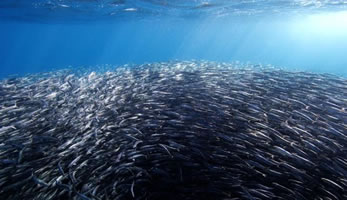
- Shoal — A school of fish moving together in large numbers — in this song, the migrating herring that fishermen pursued across the North Sea.
- Fellas — A colloquial form of “fellows,” referring to the men working together aboard the fishing boats.
🎻 Genre: Ballad, Folk Song
👥Covers: The Spinners, The Dubliners, The Clancy Brothers, The Corries, Three City Four, Astrid Nijgh, Schooner Fare, Patrick Clifford and Breabach.
🎤 Featured Artist: Ewan MacColl
💿 Album Black And White
Released: 1990
Country: UK
Format: 12" Vinyl, CD, Cassette
Label: Cooking Vinyl